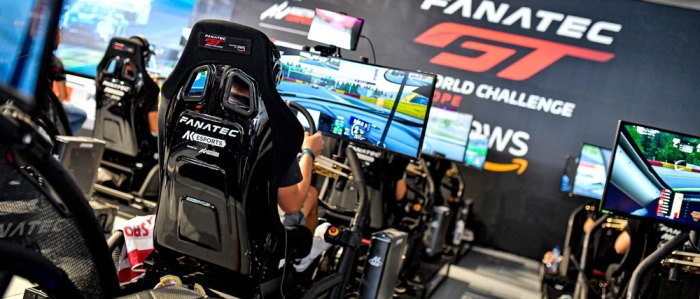
Sim racing and esports have taken the gaming world by storm, merging the excitement of motorsport with the accessibility of digital platforms. This unique intersection not only caters to avid racers but also draws in a diverse audience, captivated by the speed, skill, and strategy that sim racing offers. Over the years, technology has evolved significantly, enabling stunning realism in driving simulations and creating a vibrant community of players and fans alike.
As we explore this dynamic landscape, we will uncover the various aspects that make sim racing a compelling choice for gamers, including its growth in esports, the legal challenges it faces, and its connections to traditional motorsports. With popular games leading the charge, sim racing continues to expand its reach and influence.
Table of Contents
Sim Racing Overview
Sim racing, or simulation racing, has become an exhilarating intersection of gaming and motorsport, drawing in not only gamers but also motorsport enthusiasts who crave the adrenaline rush of racing. It offers an immersive experience that mirrors real-world racing dynamics, allowing players to race against others or compete for the best times in various environments, from city streets to professional racetracks.
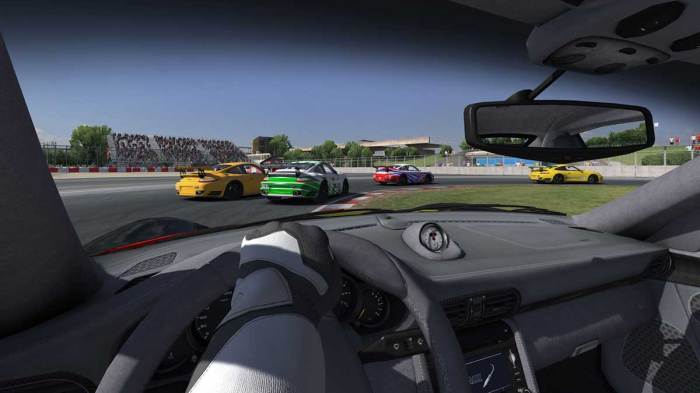
This genre has rapidly gained popularity due to its accessibility and the thrill of competition combined with the allure of virtual racing. The evolution of sim racing technology has transformed the landscape significantly over the years. From rudimentary arcade-style games to sophisticated simulators with realistic physics, graphics, and hardware like VR headsets and force feedback steering wheels, the advancements in technology have created a highly detailed and authentic racing environment.
These developments have made it possible for gamers to experience what it’s like to drive some of the world’s fastest cars on famous tracks, all from the comfort of their homes.
Popular Sim Racing Games and Unique Features
Several sim racing titles have stood out in the gaming industry, each offering unique features that cater to different preferences and skill levels. The following games are prime examples of the variety available within the genre:
- iRacing: Known for its subscription-based model, iRacing emphasizes realism with laser-scanned tracks and a robust online racing community. It offers organized races and a well-structured ranking system, making it a favorite among serious competitive racers.
- Assetto Corsa: Renowned for its detailed physics and extensive modding community, Assetto Corsa provides players with a wide range of cars and tracks, allowing for personalized gameplay experiences. The game’s graphics and realism in vehicle handling have earned it critical acclaim.
- Forza Motorsport: Combining arcade-style accessibility with simulation depth, Forza Motorsport appeals to a broad audience. Its extensive car customization options and various race types, including online multiplayer modes, make it a popular choice for casual and hardcore gamers alike.
- Gran Turismo: A long-standing franchise, Gran Turismo is celebrated for its stunning visuals and attention to detail in car physics. It has a rich single-player experience, alongside competitive online racing, making it a staple in the sim racing community.
- Project CARS: Focused on delivering a comprehensive racing experience, Project CARS offers dynamic weather and time of day changes, which significantly affect driving conditions. This unique feature enhances realism and challenges players to adapt their strategies accordingly.
Each of these titles showcases the diversity within sim racing, catering to different aspects of racing life, from casual fun to serious competition. They highlight how technology continues to shape the landscape, making sim racing an exciting space for gamers and motorsport fans alike.
Esports and Sim Racing
The integration of esports into the sim racing community has experienced a remarkable surge, capturing the attention of racing enthusiasts and professional gamers alike. As technology advances and the gaming industry evolves, sim racing has carved out a significant niche, becoming a prominent platform for competitive racing that mirrors real-world motorsports.The structure of sim racing competitions has developed into a highly organized system, with various leagues and tournaments that cater to different skill levels and formats.
Major sim racing events often include series organized by platforms such as iRacing, Gran Turismo, and Assetto Corsa, where racers can engage in both solo and team-based competitions.
Structure of Sim Racing Competitions
The competitive landscape of sim racing comprises various formats and events that appeal to a diverse audience. This structure encompasses:
- Championship Leagues: These are long-term championships that feature multiple races over an extended period, often culminating in a grand finale. Series like the eNASCAR iRacing Series exemplify this format, drawing in both seasoned drivers and newcomers.
- Stand-Alone Tournaments: Shorter events that focus on a single race or a limited series of races. These tournaments can be organized by various entities, including gaming platforms, sponsors, and esports organizations. Events like the GT World Challenge provide a platform for high-stakes competition.
- Community Events: Hosted by fan communities, these events significantly enhance engagement and participation among amateur racers. They often feature unique formats and offer a more relaxed atmosphere compared to professional leagues.
The dynamics of sim racing esports differ from traditional esports in several key areas. While both sectors emphasize skill, strategy, and audience engagement, sim racing is profoundly influenced by the authenticity of real-world racing.
Dynamics of Sim Racing Esports
The engagement dynamics in sim racing esports create a unique intersection between gaming and real-world motorsport culture. Factors that contribute to this include:
- Realism and Authenticity: Sim racing titles often strive for a level of realism that immerses players in the racing experience. Features such as realistic physics, tire wear, and vehicle dynamics resonate with racing fans.
- Fan Engagement: Similar to traditional motorsport events, sim racing broadcasts are enhanced by commentary and analysis, often featuring real-world drivers and industry experts. This creates a familiar environment for racing fans.
- Cross-Promotion with Real Racing: Many sim racing events are sanctioned or supported by actual racing organizations, allowing for a seamless blend between the two worlds. Events like the F1 Esports Series leverage the popularity of Formula 1 to attract fans.
Overall, the rise of esports within the sim racing community has fostered a vibrant ecosystem that not only entertains but also cultivates a genuine connection to the motorsport industry. As technology continues to progress, the future of sim racing esports promises to be even more dynamic and engaging for both participants and fans.
Legal Aspects and Issues in Sim Racing
The world of sim racing is not just about the thrill of competition; it is also entangled in a complex web of legal considerations that govern various aspects of the industry. Licensing agreements, intellectual property rights, online competition regulations, and player contracts all present unique challenges that stakeholders must navigate. Understanding these legal implications is crucial for anyone involved in sim racing or esports, whether as a developer, team manager, or participant.
Licensing and Intellectual Property in Sim Racing
In sim racing, licensing is a critical aspect that determines which cars, tracks, and brands can be used within a game. Game developers must negotiate licenses with manufacturers and rights holders to feature their properties. This not only protects the intellectual property of brands but also enhances the authenticity of the racing experience for players. The absence of proper licensing can lead to legal disputes and financial repercussions.Key points regarding licensing and intellectual property include:
- Trademark and Copyright Issues: Developers must ensure that they do not infringe on existing trademarks or copyrights, which can lead to legal action from rights holders.
- Licensing Fees: Depending on the popularity of the brand, licensing fees can be substantial, impacting the overall budget for game development.
- Exclusive vs. Non-Exclusive Licenses: Exclusive licenses can limit competition, while non-exclusive arrangements may encourage more diverse offerings in sim racing titles.
Online Competition Regulations and Player Contracts
The regulation of online competitions in sim racing is essential to maintain fair play and integrity within the sport. Organizers of esports events must comply with various laws and regulations that govern online gaming, which can differ greatly between jurisdictions.Important considerations in this area include:
- Age Restrictions: Many regions have laws regarding the minimum age for participants in online competitions, impacting who can compete in certain events.
- Code of Conduct: Participants are often required to agree to a code of conduct, which Artikels acceptable behavior and the consequences of violations.
- Contractual Obligations: Players typically enter into contracts that Artikel their rights and responsibilities, including compensation and conduct during competitions.
Sponsorship and Partnerships in Sim Racing Esports
Sponsorship plays a crucial role in the financial ecosystem of sim racing esports. Legal agreements between teams, players, and sponsors can dictate the direction of marketing, branding, and revenue generation within the sport. Key considerations include:
- Contractual Agreements: Contracts with sponsors need to clearly define the terms of the partnership, including financial arrangements, promotional obligations, and duration of the agreement.
- Brand Representation: Players and teams must understand how they are allowed to represent their sponsors, adhering to any branding guidelines set forth in their agreements.
- Intellectual Property Rights: Any logos or branding used must be cleared through the appropriate channels to avoid infringement and potential lawsuits.
“Navigating the legal landscape in sim racing requires a thorough understanding of licensing, competition regulations, and the nuances of sponsorship agreements.”
Related Sports and Their Impact
Sim racing has forged connections with various motorsport disciplines and other sports, influencing both the approach to training and the mindset of racers. Understanding these relationships reveals how sim racing not only stands alone but also thrives within a broader sporting context, attracting fans from diverse backgrounds.
Connection Between Sim Racing and Other Motorsport Disciplines
Sim racing is closely linked to traditional motorsport disciplines such as Formula 1, NASCAR, and rally racing. The simulation of these high-stakes environments allows racers to hone their skills in a risk-free setting, applying techniques directly from the track. The transition from real-world racing to sim racing can often be seamless due to the shared fundamentals:
- Both require a deep understanding of vehicle dynamics and handling characteristics.
- Racers utilize similar strategies for race management, including tire wear analysis and fuel consumption.
- Track knowledge and the ability to learn layout nuances quickly are essential in both arenas.
This cross-pollination strengthens the competitive nature of sim racing, providing a platform for drivers to translate their real-world experiences into virtual success.
Influence of Martial Arts and Strength Sports on Sim Racers
The discipline and mental fortitude developed through martial arts and strength sports play a pivotal role in shaping the mindset of sim racers. These sports emphasize focus, resilience, and mental clarity, all of which are crucial for success in competitive racing environments.Practicing martial arts can enhance:
- Reaction times, critical for making split-second decisions on the track.
- Breathing techniques that aid in maintaining calm under pressure.
- Mental discipline that fosters a strong competitive spirit.
Furthermore, strength training contributes to overall physical fitness, which supports prolonged concentration and endurance during extended racing sessions. This synergy between physical conditioning and mental toughness creates a balanced approach, allowing sim racers to perform at their best.
Crossover Appeal of Sim Racing to Traditional Sports Fans
Sim racing has shown significant crossover appeal to fans of traditional sports, particularly team sports and water sports. The competitive nature and strategy involved in sim racing resonate with the same enthusiasm seen in sports like football, basketball, and sailing.The shared elements that attract these fans include:
- The thrill of competition, akin to the excitement of a last-minute goal or a decisive race finish.
- Team dynamics, where racers often collaborate with engineers and strategists, mirroring team sports strategies.
- The ability to engage with the sport through streaming platforms, allowing fans to experience races live, akin to watching their favorite teams play.
This intersection of interests serves to broaden the audience for sim racing, welcoming fans who appreciate competition across various formats, making it a dynamic part of the sporting landscape.
Sport Event Integration
Sim racing has rapidly evolved from a niche hobby into a prominent feature in the world of sports, often intertwined with major sporting events. This integration has not only provided a new platform for racing enthusiasts but has also attracted a diverse audience, bridging the gap between traditional sports and the digital realm. The collaboration between sim racing and established sports has created unique opportunities for fans to engage and interact with their favorite sports in innovative ways.The integration of sim racing into major sports events includes partnerships with professional leagues, exhibitions at prestigious venues, and real-time competitions that allow fans and drivers to compete alongside their heroes.
This synergy enhances the spectator experience, offering a dynamic environment where traditional sports meet cutting-edge technology. As esports and live sports converge, sim racing serves as a compelling example of how digital platforms can amplify the reach and engagement of traditional sporting events.
Comparative Analysis of Audience Engagement
Understanding the audience dynamics between sim racing events and traditional sporting events is crucial. The following table illustrates the differences in audience size, demographic engagement, and interaction levels, highlighting how sim racing is carving out its niche within the sports community.
| Event Type | Average Audience Size | Demographic Engagement | Interaction Level |
|---|---|---|---|
| Traditional Sports (e.g., Football, Basketball) | 50,000 – 100,000 (in-person), millions (broadcast) | Broad age range, strong local fan base | Limited to live attendance, broadcasts |
| Sim Racing Events | 10,000 – 30,000 (in-person), millions (online streams) | Primarily younger audience, global engagement | High interactivity through streaming platforms and social media |
The table illustrates that while traditional sports boast larger in-person audiences, sim racing captures significant online engagement, particularly among younger demographics. This indicates a shift in how fans interact with sports, with digital platforms enabling a more immersive experience.
Future Growth of Sim Racing at Live Events
The future of sim racing at live sports events looks promising, with several trends indicating substantial growth. As technology continues to advance, sim racing is expected to become a staple at major sporting events, providing fans with unique interactive experiences that complement live action.One potential development is the incorporation of augmented reality (AR) and virtual reality (VR) technologies. These innovations could allow fans to experience races from the driver’s perspective, immersing them in the action like never before.
For instance, major motorsport events could feature VR zones where fans could compete in simulations against professional drivers, blending physical and digital experiences.Additionally, partnerships between traditional sports leagues and sim racing platforms are likely to increase. Recent collaborations, such as those between NASCAR and iRacing, illustrate a growing trend where professional leagues host their own virtual racing series, drawing in both traditional fans and the esports community.
These events not only enhance fan experience but also create new revenue opportunities through sponsorships and advertising.As the lines between physical and digital sports continue to blur, sim racing is set to play a pivotal role in the evolution of sports entertainment, offering new avenues for fan engagement and participation.
Final Conclusion
In conclusion, sim racing and esports represent an exciting frontier in digital competition, blending the thrills of racing with the engagement of esports. As the technology and community continue to evolve, we can expect to see even greater integration with traditional sports and a growing audience that embraces this innovative form of entertainment. With its unique challenges and opportunities, sim racing is set to accelerate into the future, attracting both seasoned racers and curious newcomers alike.
Questions and Answers
What are the most popular sim racing games?
Some of the most popular sim racing games include iRacing, Assetto Corsa, Gran Turismo, and Forza Motorsport, each offering unique features and experiences.
How do I get started with sim racing?
To get started with sim racing, you’ll need a gaming console or PC, a compatible racing wheel and pedals, and a chosen sim racing game to begin your racing journey.
Are there any professional sim racing leagues?
Yes, there are several professional sim racing leagues and tournaments, such as the eNASCAR iRacing Series and the Formula E Race at Home Challenge, which attract top racers from around the world.
Can sim racing improve real-world driving skills?
Many drivers believe that sim racing can enhance real-world driving skills by providing valuable practice in vehicle handling, racing lines, and overall situational awareness.
What is the future of sim racing in esports?
With the increasing popularity of esports, sim racing is poised for significant growth, with more sponsorships, larger audiences, and potential integration into live sporting events.